Luxury Accessible Lodging USA: The Ultimate Pillar Guide to High-End Inclusion
The pursuit of high-end travel has traditionally centered on the removal of friction. For the discerning traveler, luxury is not merely an aesthetic choice but an operational promise that every need will be anticipated and every barrier dissolved. However, when examining the specific niche of luxury accessible lodging in the USA, the definition of friction shifts from the logistical to the structural. In this context, the hospitality industry is moving beyond the baseline of legal compliance toward a more sophisticated integration of universal design and bespoke service.
The American hospitality landscape is currently undergoing a quiet metamorphosis. For decades, accessibility was treated as a secondary architectural requirement, a “bolt-on” feature mandated by the Americans with Disabilities Act (ADA) that often resulted in clinical, uninspired spaces. The modern editorial standard, however, rejects the notion that utility must compromise elegance. We are seeing the emergence of properties where the most accessible suites are also the most coveted, featuring expansive floor plans, intuitive automation, and sensory-rich environments that serve a broader spectrum of human requirements without sacrificing the “high-touch” feel of a five-star stay.
This transition is not merely about wider doorways or reinforced grab bars; it is about the systemic democratization of the luxury experience. It involves a complex interplay between architectural ingenuity, specialized staff training, and the intelligent application of assistive technology. As we analyze this sector, we must look past the surface-level marketing and investigate the rigorous frameworks that define true excellence in inclusive luxury. This involves a deep dive into the historical shifts, economic realities, and the meticulous governance required to maintain an environment that is as welcoming as it is refined.
Understanding “luxury accessible lodging USA.”
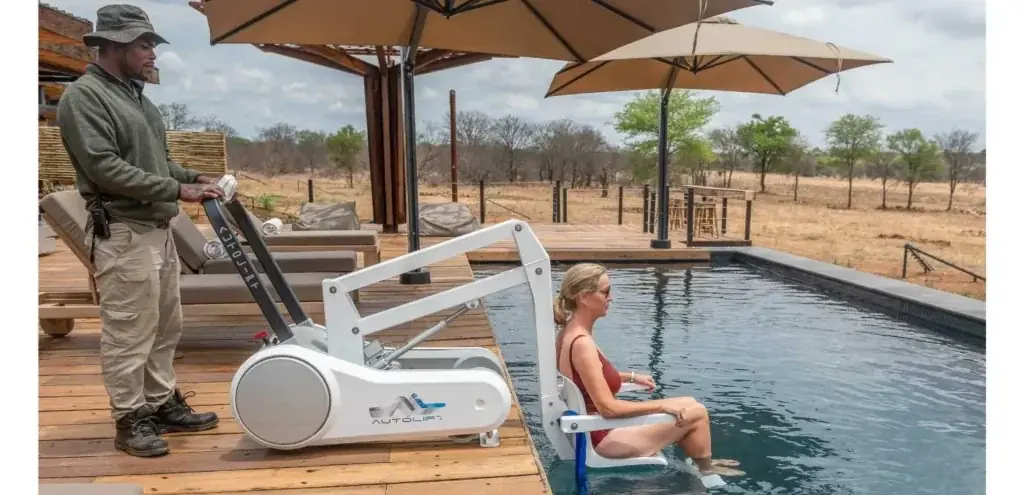
To define luxury accessible lodging in the USA accurately, one must first dismantle the prevailing industry myth that accessibility is a monolithic binary. It is not a “yes or no” toggle on a booking website. Instead, it is a nuanced spectrum of environmental adaptations designed to support mobility, sensory, and cognitive diversity. In the luxury tier, the goal is “seamlessness,” where the adaptations are so well-integrated into the design language that they feel like intentional stylistic choices rather than medical necessities.
The Problem of the “Clinical Ghetto”
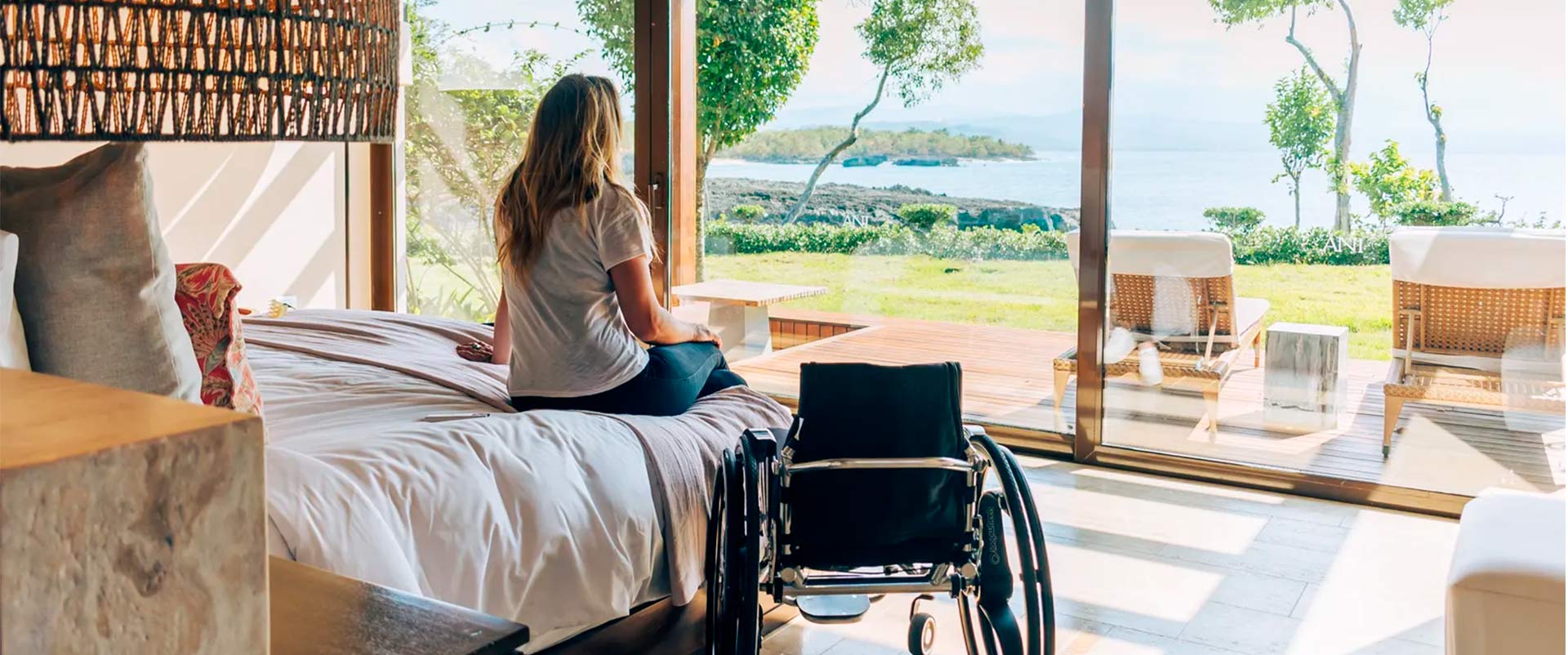
A significant misunderstanding in the hospitality sector is the tendency to design accessible rooms with a sterile, hospital-like aesthetic. This “clinical ghetto” effect occurs when high-end materials are swapped for institutional-grade plastics or stainless steel in the name of durability. True luxury accessible lodging in the USA reverses this trend by utilizing premium materials, such as honed marble, solid walnuts, and bespoke textiles to hide or elevate functional elements. A roll-in shower should not look like a gym locker room; it should look like a spa retreat that happens to have zero-entry thresholds.
Oversimplification and Functional Gaps
Oversimplification often leads to a failure in “functional flow.” A room might meet the legal turning radius for a wheelchair, but if the plush high-pile carpet makes self-propulsion exhausting, the room is luxury in name only. Similarly, if the “accessible” light switches are blocked by a heavy designer armchair, the system has failed. Mastering this niche requires a hyper-focus on the second-order effects of interior design on the guest’s physical autonomy.
Deep Contextual Background
The trajectory of high-end lodging in the United States is intrinsically linked to the evolution of civil rights legislation, yet the luxury market has often lagged behind the public sector in terms of genuine innovation.
The Pre-ADA Era (Pre-1990)
Before federal intervention, luxury hotels were largely inaccessible to travelers with disabilities. Architectural “grandeur” often relied on steps, heavy manual doors, and narrow corridors, elements intended to create a sense of exclusivity but which effectively barred a significant portion of the population. Accessibility was handled on an ad-hoc basis, often involving humiliating “service entrance” access.
The Era of Grudging Compliance (1990–2010)
Following the passage of the ADA, the industry entered a phase of technical compliance. The focus was on the “letter of the law” standardized heights for sinks and toilets. However, because these standards were often interpreted by designers who lacked lived experience with disability, the results were often clunky and segregated. Accessible rooms were frequently the least desirable in the house, located far from amenities or lacking the views afforded to other suites.
The Universal Design Movement (2010–Present)
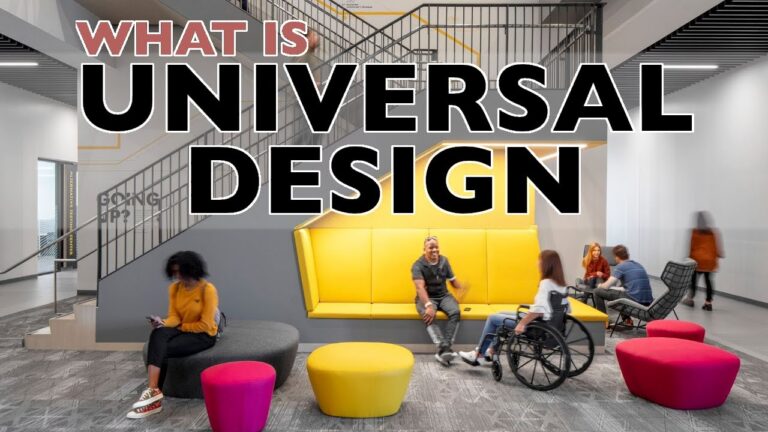
We are currently in a pivot toward Universal Design (UD). UD posits that an environment should be usable by all people to the greatest extent possible without the need for adaptation or specialized design. In the context of luxury accessible lodging in the USA, this means features like wider hallways are used to create a sense of palatial scale for everyone, while also serving those with mobility aids. It is the transition from “special needs” to “human-centric design.”
Conceptual Frameworks and Mental Models
To evaluate or develop top-tier lodging, several mental models can be applied to ensure the experience meets the “luxury” threshold.
1. The Redundancy of Control Model
In a luxury environment, the guest should never be forced into a single method of interaction.
-
The Framework: Every environmental control (lighting, curtains, climate) must have three interfaces: Voice, Tactile (physical buttons), and Digital (tablet/mobile).
-
The Limit: Technology can become a barrier if the “Tactile” option is hidden or unintuitive.
2. The Invisible Assistive Architecture
This model focuses on “stealth” accessibility.
-
The Framework: Design features should serve a dual purpose. A decorative wainscotting rail might double as a subtle grab bar; a large open-concept bathroom provides luxury “airiness” while allowing for a 60-inch turning circle.
-
The Limit: Aesthetics should never compromise safety; a grab bar must be structurally rated, regardless of how “stealthy” it looks.
3. The Sensory Load Balancing Model
Luxury is often associated with peace.
-
The Framework: For guests with sensory processing differences or hearing impairments, luxury is defined by acoustic control and “visual silence” (the reduction of cluttered patterns and flickering lights).
-
The Limit: Total acoustic isolation can be disorienting or dangerous in emergencies.
Key Categories or Variations
Luxury accessible lodging is not a single product; it varies significantly based on geography and property type.
| Category | Defining Characteristic | Strategic Trade-off |
| Urban Flagship | High-tech automation; multi-lingual staff. | Limited square footage; potential for urban noise pollution. |
| Resort/Estate | Expansive grounds; zero-entry pools; beach wheelchairs. | Navigating large distances between amenities and weather dependency. |
| Boutique Historic | Character and intimacy; personalized concierge. | Retrofitted “work-arounds”; potential for “steep” historic grades. |
| Wellness/Medical Spa | Integrated therapy; specialized nutrition. | Can feel overly clinical; high “gatekeeper” barrier for entry. |
| Luxury Vacation Rentals | Maximum privacy; full kitchens; multi-generational. | Variable maintenance; no on-site 24/7 staff support. |
Decision Logic for Travelers
When selecting among these categories, the decision usually hinges on the “Independence-to-Support” Ratio. A traveler seeking total autonomy might prefer an Urban Flagship with robust smart-room features, whereas a guest requiring high-level physical assistance may opt for a Wellness Resort where staff are trained in mobility transfers.
Detailed Real-World Scenarios
The “Seamless” Check-in Failure
A luxury property in Aspen features a stunning, high-design lobby. However, the check-in desk is a single, high-marble slab with no lowered section.
-
The Friction: A wheelchair user must speak up at the desk, losing eye contact with the agent and feeling diminished.
-
Second-Order Effect: The “luxury” feeling is immediately broken by a reminder of “otherness.”
-
Resolution: Modern luxury properties now favor “mobile check-in” or “seated check-in” where agents come to the guest.
The Over-Engineered Smart Suite
A hotel in New York installs voice-only controls for all suite functions.
-
The Failure Mode: A guest with a speech impairment or a heavy accent cannot operate the lights.
-
Constraint: The hotel removed physical switches to maintain a “minimalist” aesthetic.
-
Lesson: Luxury accessible lodging in the USA must never prioritize minimalism over functional redundancy.
Planning, Cost, and Resource Dynamics
The economic reality of luxury accessible lodging in the USA involves higher capital expenditure (CapEx) and operational expenditure (OpEx).
| Resource Factor | Estimated Impact | Detail |
| Architectural Footprint | +20% Sq. Footage | Needed for turning radii and clear floor space. |
| FF&E (Furniture/Fixtures) | +15% Cost | Motorized drapes, reinforced furniture, custom cabinetry. |
| Staff Training | Recurring OpEx | Quarterly sensitivity and equipment training for all departments. |
| Opportunity Cost | Variable | Accessible suites often have lower occupancy if not marketed correctly. |
The “Cost of Inaction” is also high. Properties that fail to invest in true accessibility lose out on the “Purple Pound” (the spending power of disabled people), which is a multi-billion-dollar market. Wealth concentration among aging demographics further incentivizes these investments.
Tools, Strategies, and Support Systems
The sophisticated traveler in this space does not rely on “accessible” labels alone. They employ a suite of strategies:
-
Direct-to-Engineering Communication: Bypassing the front desk to speak with the head of facilities about bed heights.
-
Virtual Pre-Visits: Utilizing high-resolution 3D tours to measure clearances digitally.
-
Third-Party Equipment Concierge: Services that deliver specialized lifts to luxury hotels before the guest arrives.
-
Service Animal Protocols: Ensuring the “luxury” extends to the animal, with specialized relief areas.
-
Agentic AI Personalization: New 2026 systems that proactively adjust room temperature and lighting based on pre-set guest profiles.
Risk Landscape and Failure Modes
The primary risk in luxury accessible lodging in the USA is “Systemic Fragility.” Because the experience relies on a chain of functional elements, one break ruins the entire stay.
-
The Elevator Crisis: In a luxury high-rise, if the only accessible elevator is down for maintenance, the guest is trapped.
-
Staff Turnover: If the “inclusion champion” leaves, the institutional knowledge of how to set up an accessible suite often vanishes.
-
Maintenance Drift: Over time, grab bars become loose, or furniture is moved into “clear zones” by well-meaning housekeeping staff.
Governance and Maintenance
Top-tier properties treat accessibility as a “Long-Term Adaptation” project rather than a one-time fix.
The Inclusion Audit Checklist
-
Daily: Housekeeping verifies that pathways are clear and “reach zones” are maintained.
-
Monthly: Facilities test all automated doors, pool lifts, and emergency strobe systems.
-
Annually, Professional ADA consultants perform a “gap analysis” to see where the property has drifted.
Measurement and Evaluation
Success is measured through a blend of quantitative and qualitative data:
-
Leading Indicators: Number of staff training sessions; frequency of accessibility page views.
-
Lagging Indicators: Repeat booking rates for accessible suites; sentiment analysis of reviews.
-
The “Silent” Metric: The highest praise for a luxury accessible room is when a guest stays in it and doesn’t realize it was designed for accessibility—they just think it’s a great, spacious room.
Common Misconceptions and Oversimplifications
-
“ADA Compliant” equals “Accessible”: False. ADA is the legal minimum; luxury requires more.
-
“Accessible rooms are only for old people”: False. This ignores wheelchair users of all ages.
-
“Accessibility ruins the decor”: False. High-end designers prove universal design can be beautiful.
-
“One size fits all”: False. Mobility needs differ vastly from sensory or cognitive needs.
Conclusion
The evolution of luxury accessible lodging in the USA reflects a broader cultural shift toward radical inclusion. True luxury is the absence of worry. When a guest can enter a space knowing that their physical needs have been accounted for with the same level of care as their culinary preferences, the industry has achieved its highest calling. This is not about charity or compliance; it is about the sophisticated recognition that human variety is a permanent feature of the market. The properties that thrive will be those that view accessibility not as a series of constraints, but as an opportunity to redefine the very nature of hospitality excellence.