Best Sensory Friendly Stay Plans: The Definitive Guide to Environmental Quiet
The hospitality industry has historically functioned as an engine of overstimulation. From the high-gloss aesthetic of luxury lobbies to the rhythmic clamor of urban transit hotels, the traditional lodging model prioritizes a constant stream of visual and auditory “engagement.” However, as we move through 2026, a profound structural shift is occurring. For a significant portion of the global population, including neurodivergent individuals, those with sensory processing disorders (SPD), and high-acuity travelers, the environment is not merely a backdrop but a metabolic factor. When a lodging environment fails to regulate its sensory output, the guest’s cognitive budget is depleted, leading to physiological exhaustion rather than rest.
This transition toward “Sensory-Neutral Inhabitance” represents a move beyond basic accessibility. While physical ramps and wider doorways are now standardized, the “invisible” barriers of flickering LED lights, high-VOC cleaning agents, and unpredictable acoustic reflections remain pervasive. To deeply analyze this space, we must move past the “Checkbox Mentality.” A truly inclusive environment is not one that simply adds a “quiet zone” but one that integrates sensory regulation into its fundamental engineering. This involves a rigorous deconstruction of the “Sensory Thread,” the continuous stream of stimuli a guest encounters from the moment of booking to the moment of departure.
As the visitor economy matures, the distinction between “luxury” and “sensory integrity” is dissolving. The most high-performing properties in the modern era are those that treat acoustic, visual, and olfactory output as critical performance metrics. This article serves as a definitive reference for understanding the deep-seated logic and technical standards required to evaluate and execute high-integrity habitation assets. We are exploring a world where “quiet” is no longer the absence of noise, but the presence of intentional environmental control.
Understanding “best sensory-friendly stay plans.”

To identify the best sensory-friendly stay plans in a modern editorial context, one must first dismantle the “Medical Model” of accommodation. Historically, sensory needs were viewed as individual deficits to be “managed” through special requests. A contemporary, high-integrity analysis instead adopts the “Environmental Model.” This model posits that disability, or in this case, sensory overload, is a function of a poorly designed environment. Consequently, the “best” plans are those that minimize the gap between human sensory thresholds and environmental output through intrinsic design.
A common misunderstanding in the travel sector is the reliance on the “Quiet Room” as a universal solution. A room may be quiet in terms of decibel levels but remain functionally unusable due to “Visual Clutter” or “Olfactory Intrusion.” High-integrity, best sensory-friendly stay plans provide “Forensic Transparency.” This means providing travelers with specific, measured data: the Hertz frequency of lighting systems (to prevent flickering), the specific MERV rating of air filtration (to manage chemical odors), and the precise NRC (Noise Reduction Coefficient) of wall materials. Without this granular data, a “sensory-friendly” label is merely a subjective marketing claim.
The risk of oversimplification often centers on “Single-Sense Bias.” While auditory triggers are the most frequently cited, they are often exacerbated by “Sensory Layering.” A guest might be able to handle a noisy hallway if their room is visually soothing and thermally consistent. However, if the room is also too bright and smells of industrial detergents, their “Sensory Budget” collapses. A flagship stay plan provides “Modularity,y” the ability for the guest to adjust the environmental layers individually, ensuring that the stay accommodates the unique “Sensory Profile” of the individual rather than a generic average.
Historical Context: From Overstimulation to Sensory Sovereignty
The trajectory of sensory-aware lodging has moved through three distinct philosophical phases. The Era of Sensory Chaos (Pre-2010) viewed environmental output as a secondary concern to aesthetic and operational efficiency. Materials were chosen for durability and cost, often resulting in “Acoustic Mirrors” (hard surfaces that bounce sound) and harsh, blue-spectrum lighting. For the sensory-sensitive traveler, this period was characterized by “Defensive Packing,” carrying noise-canceling headphones, blackout curtains, and personal linens to mitigate a hostile environment.
The Era of Niche Compliance (2010–2022) saw the introduction of “Sensory Kits” and dedicated “Quiet Zones,” primarily in response to the rise in autism awareness. While this period lowered the barrier to entry, the interventions were often “Add-ons.” A hotel might offer weighted blankets or earplugs, but the fundamental architecture of the building, its HVAC hum, its elevator chimes, and its high-traffic lobby, remained unchanged. These were “reactive” measures rather than proactive designs.
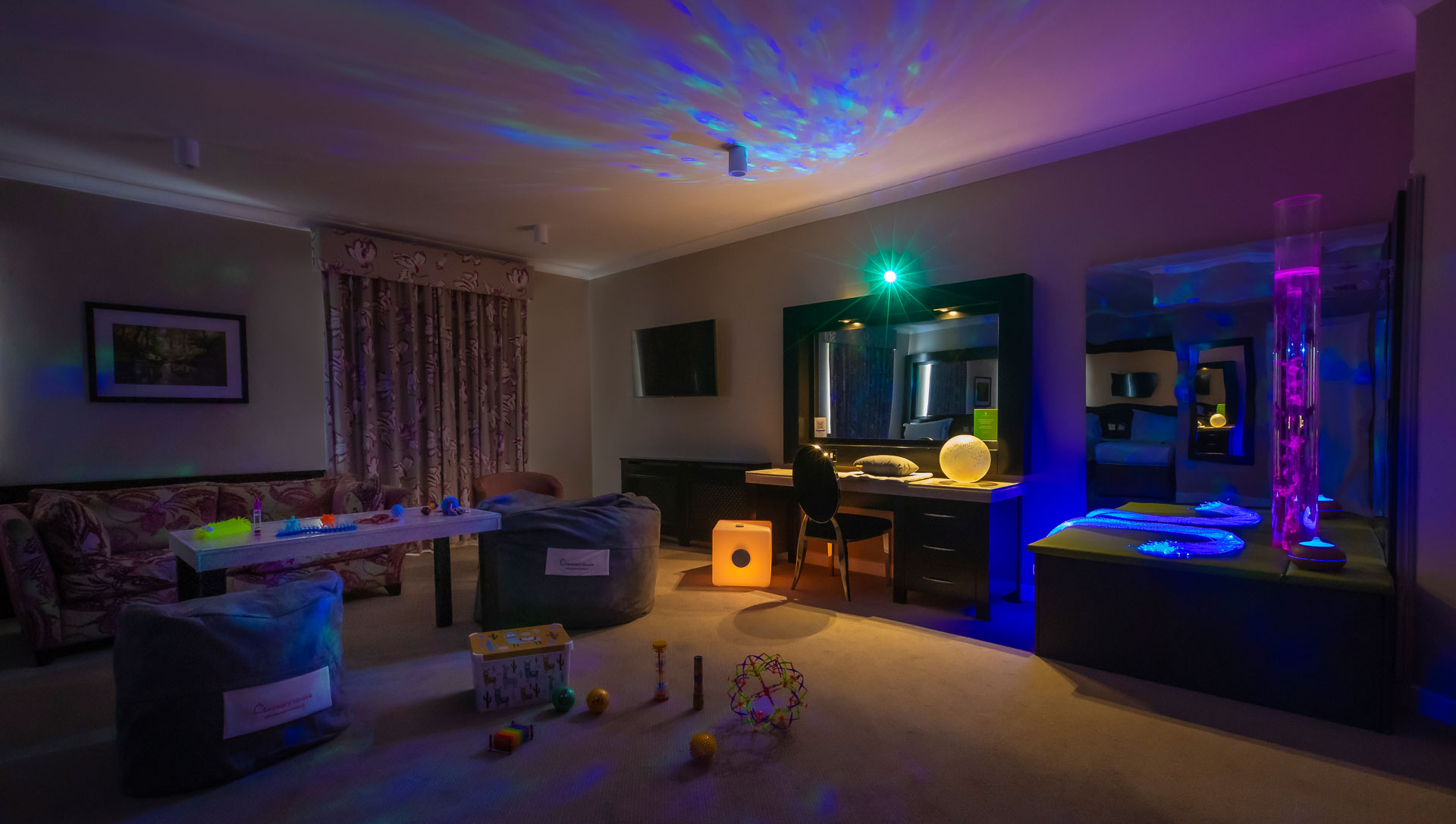
Today, we occupy the Era of Sensory Sovereignty (2024–Present). This era is defined by “Universal Sensory Design.” High-performing properties now utilize “Silent Infrastructure.” This includes magnetic-latch doors that don’t slam, indirect lighting as a standard, and “Zoned Olfactory Management.” In this phase, the goal is “Environmental Predictability.” Families and individuals can pre-habituate to a space via “Digital Twins” or virtual tours, ensuring that the actual physical experience contains zero “Sensory Shocks.”
Conceptual Frameworks and Mental Models
To evaluate habitation systems with editorial rigor, the following mental models are essential:
1. The “Sensory Budget” Framework
Every individual begins their day with a finite amount of “Cognitive Currency” to spend on processing external stimuli. Travel inherently drains this budget through newness and unpredictability. A high-integrity stay plan acts as a “Budget Restoration” tool. By providing an environment with low baseline stimuli, the plan allows the guest to “recharge,” ensuring they have the mental energy to engage with their destination.
2. The “Total-Path Continuity” Model
This model posits that a stay is only as inclusive as its most overwhelming transition. It requires an audit of the “Transition Nodes”—the gap between the quiet car of a train and the loud lobby of a hotel, or the transition from a dim room to a bright breakfast hall. Success is measured by the lack of “Spikes” in sensory output throughout the guest’s journey.
3. The “Environmental Locus of Control.”
For many neurodivergent individuals, the primary stressor is not the presence of stimulants but the inability to control them. This framework evaluates a room based on “Adjustability.” Can the guest dim the lights to zero? Can they turn off the HVAC fan completely? Can they open a window for natural airflow? The more control points the guest has, the higher the integrity of the plan.
Key Categories and Variations
The global landscape of sensory-friendly lodging is segmented by “Operational Intent.”
| Category | Primary Metric | Strategic Trade-off | 2026 Leading Example |
| Verified Urban Sanctuaries | Acoustic Isolation | High cost / Limited view | Tokyo (Acoustic-First Hubs) |
| Smart-Home Adaptive Suites | Tech Integration | Tech dependency / Complexity | Silicon Valley Executive Hubs |
| Biophilic Retreats | Natural Regulation | Geographical isolation | Oregon Coast / Scandinavian Fjords |
| Neuro-Inclusive Resorts | Staff Competency | “Enclave” feels / Limited local mix | Caribbean Certified Resorts |
| Heritage Adaptive Lodging | Thermal/Aural Density | Fixed layouts / No elevator | Spanish Paradores (Stone Walls) |
Decision Logic: The “Tech vs. Material” Choice
When selecting among the best sensory-friendly stay plans, planners must choose between “Active” and “Passive” regulation. Passive regulation relies on heavy materials (thick stone, high-density insulation) to block sound and stabilize temperature. Active regulation uses tech (white noise machines, smart lighting). For those with “Tech Fatigue,” passive regulation is often the superior choice, providing a “low-bandwidth” experience that is more resilient to failure.
Detailed Real-World Scenarios
The Urban “High-Velocity” Stay
-
The Context: A business traveler with ADHD staying in a dense metropolitan hub.
-
The System: A room with magnetic acoustic seals on the door and “Circadian Lighting” that automatically shifts to warm amber in the evening.
-
The Failure Mode: “Predictability Collapse.” The hotel schedules unannounced fire alarm testing or hallway carpet cleaning during rest hours.
-
Outcome: A high-integrity plan includes “Operational Transparency,” where the guest receives a 24-hour sensory schedule of all maintenance activities.
The “Sensory-Managed” Family Expedition
-
The Context: A family with a neurodivergent child staying at an all-inclusive resort.
-
The System: Use of “Visual Menus” for dining and “Sensory Maps” that identify high-stimulus zones (pools) vs. low-stimulus zones (gardens).
-
The Nuance: The room features “Tactile Neutrality”—no scratchy linens or high-gloss surfaces that cause glare.
-
Outcome: The family avoids “Transition Meltdowns” because the property provides a “Safe-Room” on the ground floor of every major building for immediate sensory reset.
Planning, Cost, and Resource Dynamics
The “Economics of Quiet” involves a shift from “Luxury Markups” to “Performance Value.”
Resource Intensity and Value Metrics (2026 Projections)
| Implementation | Initial CapEx Increase | Operational Value | Payback Period |
| Triple-Glazed Windows | $+12\%$ | $-20\%$ Energy / High Retention | 5–7 Years |
| VOC-Free Materials | $+8\%$ | Lower health liability / Premium | Immediate |
| Silent HVAC Systems | $+15\%$ | High loyalty from the business segment | 4 Years |
| Staff Sensory Training | $150 / employee | $-30\%$ Incident rate | Immediate |
The “Opportunity Cost” of Overstimulation: In 2026, the “Neuro-Dollar”—the spending power of the neurodivergent community and their families—represents a multi-billion dollar segment. Destinations that fail to provide high-integrity sensory options are effectively ceding a quarter of the market to competitors who have invested in environmental regulation.
Tools, Strategies, and Support Systems
A premier sensory-friendly plan is defined by its “Integrated Support Stack.”
-
Hertz-Verified Lighting: Ensuring all LED systems operate above the “flicker fusion threshold” to prevent subconscious visual strain.
-
Acoustic “Digital Twins”: Allowing guests to listen to high-fidelity audio recordings of the room’s baseline sound (HVAC hum, street noise) before booking.
-
Variable Olfactory Filtration: Use of high-grade HEPA and carbon filters that allow a room to be “Scent-Neutral” within 30 minutes of a previous guest’s departure.
-
Tactile Sampling Kits: Providing guests with swatches of upholstery and bedding materials before arrival to ensure “Tactile Compatibility.”
-
Smart-Sourcing for Dietary Integrity: Verified databases for cross-contamination and “Texture-Specific” menus in the hotel’s F&B outlets.
-
Weighted Architecture: The use of heavy, vibration-dampening materials in flooring to eliminate “Footfall Resonance” from neighboring rooms.
Risk Landscape: The Taxonomy of Environmental Fragility
Sensory-friendly stays face “Non-Linear Risks” that can render a stay unusable in seconds.
-
The “Unexpected Clamor”: A property that is quiet during the week but hosts high-decibel events (weddings) on weekends without disclosure.
-
Olfactory Bleed: A hotel that uses “Signature Scents” in the lobby that penetrate the HVAC system of the guest rooms.
-
Thermal Instability: HVAC systems that utilize “Cycling” (on/off) rather than “Inverter” (constant) technology, creating a rhythmic clicking or air-pressure change that triggers sensory spikes.
-
Maintenance Amnesia: Using high-odor chemical cleaners in an “Eco-Friendly” room because the standard cleaning crew was substituted.
Governance, Maintenance, and Long-Term Adaptation
Sustainability of quiet requires a “Maintenance Mindset,” not a “Project Mindset.”
The “Sovereignty” Checklist
-
Weekly: Decibel-meter testing of HVAC output and hallway sound leakage.
-
Monthly: Light-meter testing to ensure no LED degradation is causing invisible flickering.
-
Quarterly: “Olfactory Audit” to ensure no chemical buildup in carpets or curtains.
-
Annually: “Lived-Experience Audit” involving neurodivergent consultants to identify “New Friction Points” caused by wear and tear.
Measurement, Tracking, and Evaluation
-
Leading Indicator: “Sensory Recovery Time.” How long does it take for a guest to return to a baseline heart rate after entering the room from the transit hub?
-
Lagging Indicator: “Re-booking Rate.” Sensory-sensitive travelers are among the most loyal; a high re-booking rate is the ultimate indicator of environmental integrity.
-
Qualitative Signal: “Anticipatory Ease.” Measuring the guest’s level of stress before the trip begins based on the transparency and granularity of the sensory data provided.
Common Misconceptions and Ethical Paradoxes
-
Myth: “Sensory-friendly is only for children with autism.”
Correction: Universal sensory design benefits aging populations, travelers with migraines, and anyone experiencing “Digital Burnout.” -
Myth: “A quiet room is a sensory-friendly room.”
Correction: Sound is only one layer; visual clutter and thermal consistency are equally critical for cognitive regulation. -
Myth: “Technology can solve all sensory issues.”
Correction: Over-reliance on tech (like white noise machines) adds its own sensory layer; passive, material-based solutions are often more stable. -
Myth: “Blackout curtains are enough for light control.”
Correction: “Light Leakage” from door gaps and electronics (power lights) can be just as disruptive as window light.
Conclusion
The search for the best sensory-friendly stay plans is ultimately a search for environmental sovereignty. When we remove the “Invisible Barriers” of overstimulation, we aren’t just “accommodating” a demographic; we are validating their right to exist in the world without physiological distress. In 2026, the hallmark of an elite lodging option is not found in its marble floors or gold-plated fixtures, but in its ability to provide a “Sensory Sanctuary.” By prioritizing the metabolic needs of the guest, the hospitality industry can move toward a future where “rest” is a measurable reality rather than a marketing promise.