Inclusive Vacation Plans: The Definitive Guide to Systemic Travel Integrity
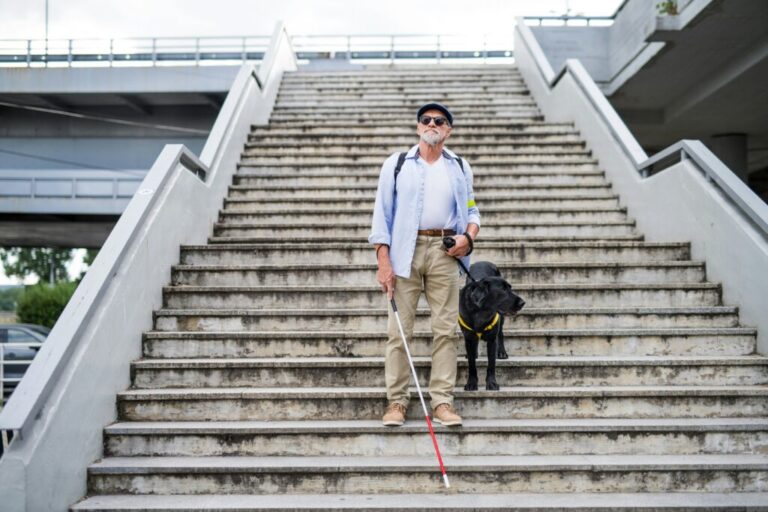
The contemporary travel landscape is undergoing a silent structural revolution. As we navigate the mid-2020s, the concept of the “vacation” has moved beyond the simplistic acquisition of a destination. It has become a sophisticated exercise in systemic integration. For the editorial strategist and the modern traveler alike, the focus has shifted from mere “access” to the binary presence of a ramp or a menu to “Inclusion,” a multi-dimensional state where environment, service, and digital infrastructure align to accommodate the full spectrum of human diversity.
This transition from “standardized” to “inclusive” planning is not merely a social imperative; it is a metabolic necessity for a resilient tourism economy. In an aging global society, where “Universal Design” is increasingly mandated by both law and market demand, an inclusive plan is essentially a high-integrity plan. It is a system engineered to be robust enough to handle the “Friction Points” of human variability, be they physical, sensory, cognitive, or socioeconomic, without compromising the traveler’s sovereign autonomy.
To understand the current vanguard of this sector is to recognize that a flagship travel asset is no longer defined by its exclusivity, but by its “Permeability.” From the high-tech urban corridors of East Asia to the adaptive heritage sites of the Mediterranean, the most successful vacation frameworks are those that treat every guest as a “Variable User” rather than a “Standard Unit.” This article serves as a definitive reference for deconstructing these complex systems, moving past surface-level checklists to explore the deep-seated logic required to execute high-performance itineraries.
Understanding “inclusive vacation plans.”

To identify truly inclusive vacation plans, one must first dismantle the “Niche Marketing” fallacy. A common misunderstanding in the travel industry is that inclusivity is a specialized product for a small segment of the population. In reality, inclusive design is the pinnacle of “Systemic Quality.” A plan that is optimized for a traveler with sensory sensitivities or mobility requirements is, by extension, a plan that is more intuitive, safer, and more resilient for the neurotypical, able-bodied traveler as well.
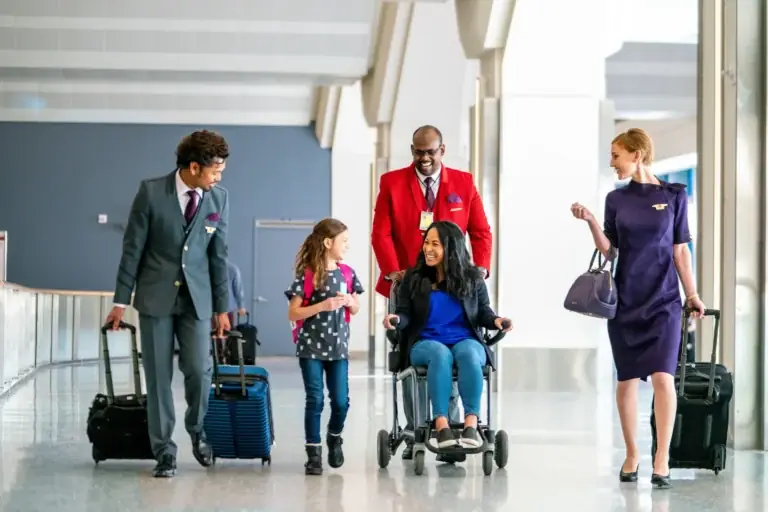
The risk of oversimplification in this sector remains high. Many providers use “Inclusive” as a synonym for “All-Inclusive,” a pricing model focused on food and beverage, or “Accessible,” a physical model focused on hardware. A flagship inclusive plan, however, targets “Total-Path Continuity.” This means evaluating the “Hand-off” points: the digital interface of the booking engine, the sensory environment of the transfer vehicle, the cultural competency of the ground staff, and the physical integrity of the final room.
A forensic analysis of inclusive vacation plans requires looking for “Latent Barriers.” These are the non-physical hurdles that often derail a journey. For example, a resort might have world-class ramps but lacks a “Sensory Map” for neurodivergent guests or uses digital kiosks that are not screen-reader compatible. The highest-integrity options are those that provide “Operational Transparency,” offering travelers granular data points (e.g., decibel levels, high-contrast signage, and quiet-zone locations) rather than vague marketing labels.
Deep Contextual Background: The Social Model of Travel
The evolution of inclusive travel is a move from the “Medical Model” to the “Social Model.” Historically, disability and exclusion were viewed as personal deficits that required individual “Accommodation.” The burden of adaptation was placed entirely on the traveler. Travel was a series of barriers to be overcome through individual persistence and often frustrating improvisations.
The Era of Mandated Compliance (1990–2015), sparked by the ADA in the US and the Equality Act in the UK, forced the industry to adopt minimum hardware standards. While this period saw the proliferation of lifts and ramps, the design was often “Secondary.” The inclusive path was frequently the service elevator or a back entrance, reinforcing a sense of social exclusion.
Today, we have entered the Era of Universal Integration (2020–Present). This era is defined by the principle that “Good design for the outlier is great design for the center.” Modern infrastructure is now engineered to be “Agile.” We see this in “Silent Accessibility” features like level-boarding trains, haptic floor signals, and height-adjustable service counters that benefit everyone from the aging retiree to the parent with a stroller.
Conceptual Frameworks and Mental Models
To evaluate travel systems with editorial rigor, we utilize three primary mental models:
1. The “Continuous Thread” Theory
This framework assumes that a vacation is a single metabolic process. If the flight is inclusive and the hotel is inclusive, but the 15-minute transfer between them is in a high-floor, non-adaptive vehicle, the “Thread” is broken. Success is measured by the absence of “Transition Shocks.”
2. The “Cognitive Budget” Model
Travel inherently increases cognitive load. For travelers with neurodivergent needs or language barriers, this load is significantly higher. A high-integrity plan “Returns” cognitive budget by providing predictable, intuitive, and low-friction environments that reduce the need for constant “Hyper-Vigilance.”
3. The “Curb-Cut Effect” Logic
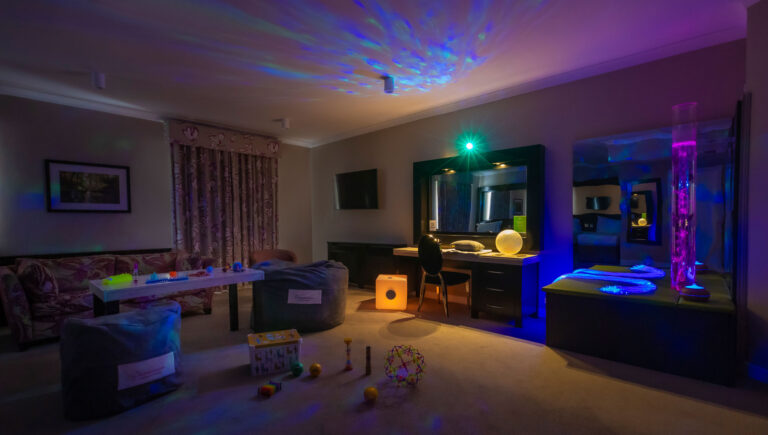
This model posits that every inclusive intervention creates secondary benefits for all users. A “Sensory-Quiet” lounge in an airport, initially designed for neurodivergent travelers, becomes a high-value asset for business travelers seeking productivity. The plan is evaluated on its “Universal Utility.”
Key Categories and Variations
The global landscape for inclusive travel is segmented by “Logistical Maturity,” with different regions and sectors solving for specific human constraints.
| Category | Primary Metric | Strategic Trade-off | Regional Leader |
| Integrated Urban Hubs | Transit Connectivity | High sensory noise | Tokyo, Japan |
| Smart-Nature Retreats | Terrain Grade | High prep time / Distance | National Parks (USA) |
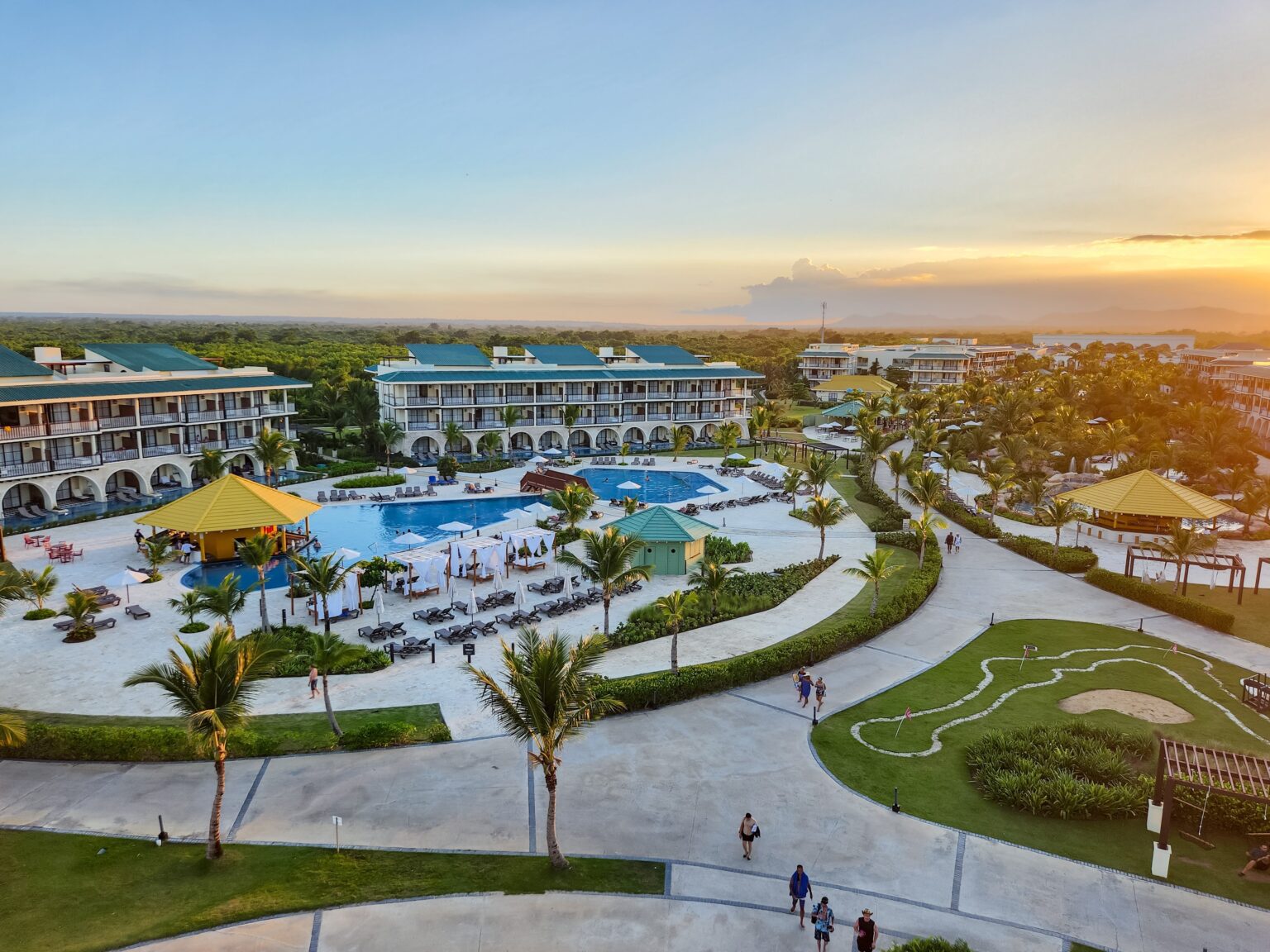
| Inclusive “Enclaves” | On-site Autonomy | Limited local immersion | High-End All-Inclusives |
| Adaptive Heritage | Structural Ingenuity | Fixed itineraries | Spain / Italy |
| Neuro-Inclusive Rail | Predictability | Schedule rigidity | Switzerland (SBB) |
The Logic of “Verified Destinations”
Sophisticated planners now prioritize “Verified” over “Compliant.” In 2026, the rise of third-party audit firms (like Travel Without Limits or Universal Access certifications) has created a secondary market. These destinations undergo 200-point physical and service audits, eliminating the “Check-in Lottery” where a guest arrives to find that “accessible” was merely a subjective marketing claim.
Detailed Real-World Scenarios
Scenario A: The “High-Frequency” Urban Loop
-
The Stressor: Navigating century-old subway systems with deep-level stations.
-
The System: Use of “Step-Free” maps and real-time elevator status integrated into digital wallets.
-
The Failure Mode: A sudden elevator outage at a transfer station.
-
Outcome: The itinerary utilizes “Bus-First” logic, where 100% of the surface fleet is ramp-equipped, providing a more resilient “Plan B.”
Scenario B: The “Sensory-Managed” Expedition
-
The Stressor: Extreme terrain and high-stimulus cultural environments.
-
The System: Use of specialized “Joëlette” (all-terrain chairs) and “Quiet Guides” who use low-verbal communication.
-
The Nuance: These trips rely on “High-Ratio Support,” often with a 1:1 staff-to-guest ratio to manage terrain and sensory transitions.
Planning, Cost, and Resource Dynamics
The “Economic Reality” of inclusive travel involves a shift from “Standard Costs” to “Integrity Premiums.”
Resource Allocation and Investment (2026 Projections)
| Item | Direct Cost Increase | Operational Value | Reliability Factor |
| Verified Lodging | $+15\%$ to $+25\%$ | Zero-failure check-in | High |
| Private Adaptive Transfers | $+50\%$ to $+100\%$ | Guaranteed transit | Critical |
| 24/7 Digital Concierge | $200 – $500 / trip | Tech-enabled recovery | Essential |
| Specialized Gear Rental | $100 – $300 / day | Terrain access | Variable |
The “Opportunity Cost” of Poor Planning: For the inclusive traveler, the cost of a failed itinerary is not just financial; it is a “Dignity Cost.” A hotel that cannot accommodate a specific dietary or physical need results in the traveler being functionally “Excluded” from the experience. Therefore, the higher up-front cost of verified inclusive vacation plans acts as an insurance policy against systemic failure.
Tools, Strategies, and Support Systems
Deep stewardship of an inclusive journey requires a technical stack that balances autonomy with “Fail-Safe” support.
-
LiDAR-Based Room Mapping: Using smartphone sensors to “scan” a hotel room upon arrival to verify clear floor space and turn radius.
-
Haptic Navigation Wearables: Belts or wristbands that use vibration patterns to guide visually impaired travelers through chaotic terminals.
-
AI-Sign Language Interpreters: Real-time, high-fidelity digital avatars that translate announcements into sign language on personal devices.
-
Sensory-Neutral Directories: Mapping quiet, low-light spaces in major transit hubs for travelers needing to manage sensory overstimulation.
-
Smart-Sourcing for Medical Supply: Platforms that coordinate the delivery of heavy consumables directly to the destination to reduce luggage “Bulk-Stress.”
-
Neuro-Inclusive “Safe-Room” Locations: Pre-identified locations within a 5-mile radius of any itinerary point where a sensory-overloaded traveler can safely retreat.
Risk Landscape and Failure Modes
In the context of inclusive travel, risks are rarely isolated; they are “Compound Events.”
-
Mechanical Cascading: A broken ramp on a bus leads to a missed train, which leads to a canceled hotel reservation, which leads to a night spent in a non-inclusive lobby.
-
Jurisdictional Inconsistency: A traveler moves from a country with high ADA-style standards to one with no formal inclusivity laws, leading to a “Service Shock.”
-
The “Invisible” Failure: A hotel claims inclusivity but uses scented cleaning products that trigger severe chemical sensitivities or lacks visual fire alarms for Deaf guests. These “Non-Physical” barriers are often the most difficult to remediate.
Governance, Maintenance, and Long-Term Adaptation
A “High-Integrity” destination is defined by its “Active Maintenance” of inclusive features.
The Stewardship Audit Checklist
-
Daily: Testing of all automated door sensors and hearing loop systems.
-
Weekly: Level-check of elevators (ensuring they stop flush with the floor) and clear-path inspections in common areas.
-
Quarterly: Sensitivity and adaptive-equipment training for all front-line staff, moving beyond basic compliance to “Empathy-Based Problem Solving.”
-
Annual: Physical re-verification of “Room-Scale” metrics to ensure furniture hasn’t been moved in a way that blocks wheelchair paths or sensory flow.
Measurement, Tracking, and Evaluation
-
Leading Indicator: “Navigational Parity.” Does it take the traveler with a disability longer to complete the same task (e.g., check-in) as a non-disabled traveler?
-
Lagging Indicator: “Attrition Rate of Equipment.” Tracking the damage rate of wheelchairs or adaptive gear in airline holds—a direct measure of the systemic “Care Quality.”
-
Qualitative Signal: “Anticipatory Anxiety Score.” Using surveys to measure how much stress a traveler feels before the trip based on the transparency of the provided data.
Common Misconceptions and Ethical Paradoxes
-
Myth: “The newest hotels are always the most inclusive.”
Correction: Many new “Boutique” hotels prioritize aesthetic minimalism over functional width, whereas mid-century business hotels often have more spacious, standardized layouts. -
Myth: “Standard travel insurance covers everything.”
Correction: Most policies do not cover the repair of specialized mobility equipment or the cost of a “Medical Repatriation” that requires an adaptive cabin. -
Myth: “Inclusive travel is just about disabilities.”
Correction: Inclusivity encompasses cultural, religious, and socioeconomic factors, ensuring that all travelers feel seen and safe. -
Myth: “Accessibility ruins the aesthetics of historic sites.”
Correction: Advanced architectural interventions prove that inclusivity can enhance the visual narrative of heritage.
Conclusion
The search for inclusive vacation plans is ultimately a search for human dignity. In 2026, the hallmark of a civilized society is not found in the height of its skyscrapers, but in the “Smoothness of its Transitions.” When we build environments that accommodate the most vulnerable, we create systems that are more resilient and welcoming for the entire human collective. The future of travel is not found in the exclusion of the many, but in the radical, engineering-led inclusion of all.